The Website Makers

akurathidaveeduraju25

The Digital Imperative: Understanding the Vital Role of Websites in Today’s Business Landscape

In today’s hyperconnected world, a website is more than just a digital storefront—it’s a gateway to success in the digital landscape. This blog explores the fundamental importance of websites for businesses in the digital age, highlighting their role as the cornerstone of online presence, brand identity, and customer engagement. A website serves as the digital storefront for businesses, providing a central hub where customers can learn about products and services, make purchases, and interact with brands. In an era where online shopping and digital transactions are the norm, a well-designed and user-friendly website is essential for attracting and retaining customers, driving sales, and staying competitive in the digital marketplace. Moreover, a website is a powerful tool for brand identity and storytelling, allowing businesses to convey their unique value proposition, mission, and values to audiences worldwide. Through compelling content, visual elements, and interactive features, a website enables businesses to establish a strong brand presence, build trust and credibility, and differentiate themselves from competitors in the crowded digital landscape. Furthermore, a website provides businesses with valuable insights into customer behavior, preferences, and trends through analytics and tracking tools. By analyzing website traffic, engagement metrics, and conversion rates, businesses can gain actionable insights that inform marketing strategies, product development, and business decisions, empowering them to adapt and evolve in response to changing market dynamics and customer needs. Additionally, a website enhances visibility and discoverability in search engine results, driving organic traffic and increasing brand visibility online. With search engines serving as the primary gateway to information and products for billions of users worldwide, a well-optimized website is essential for improving search engine rankings, attracting qualified leads, and expanding reach in the digital landscape. Overall, in a digital world where online presence is synonymous with business success, the importance of websites cannot be overstated. From serving as the digital storefront and brand identity to providing valuable insights and enhancing visibility in search engine results, a website is a cornerstone of success for businesses in the digital age, enabling them to connect with audiences, drive engagement, and achieve their goals in the ever-evolving digital landscape.

The Digital Imperative: Understanding the Vital Role of Websites in Today’s Business Landscape Read More »

Edge Computing: Decentralizing Data Processing for Real-Time Insights and Faster Decision-Making

Edge computing is a distributed computing paradigm that brings computation and data storage closer to the source of data generation, enabling real-time processing and analysis of data at the edge of the network. By decentralizing data processing and reducing latency, edge computing offers numerous benefits for businesses and organizations across various industries, including improved performance, enhanced reliability, and greater efficiency. One of the key advantages of edge computing is its ability to reduce latency and improve response times by processing data closer to the point of origin. Unlike traditional cloud computing, where data is sent to centralized data centers for processing, edge computing enables data to be processed locally on edge devices or edge servers, reducing the time it takes for data to travel back and forth between devices and the cloud. This real-time processing capability is particularly important for applications that require low latency, such as autonomous vehicles, industrial automation, and remote monitoring, where split-second decisions can mean the difference between success and failure. Furthermore, edge computing offers greater resilience and reliability by reducing dependence on centralized data centers and network infrastructure. By distributing computing resources across multiple edge nodes or devices, edge computing ensures that critical applications and services remain operational even in the event of network outages or disruptions. This decentralized architecture also improves fault tolerance and load balancing, ensuring consistent performance and availability for users and devices. Another key benefit of edge computing is its ability to conserve bandwidth and reduce data transmission costs by processing data locally and sending only relevant information to the cloud. This is particularly important for applications that generate large volumes of data, such as IoT devices and sensors, where transmitting all data to the cloud for processing and analysis can strain network resources and incur high data transmission costs. By pre-processing and filtering data at the edge, organizations can optimize bandwidth usage, reduce data transfer times, and lower operational costs associated with cloud computing. Moreover, edge computing enables organizations to extract real-time insights and derive actionable intelligence from data at the source, enabling faster decision-making and more efficient operations. By analyzing data locally on edge devices or edge servers, organizations can identify trends, patterns, and anomalies in real-time, enabling proactive maintenance, predictive analytics, and optimization of resources. This real-time intelligence empowers organizations to respond quickly to changing conditions and make informed decisions that drive business outcomes and competitive advantage. Overall, edge computing represents a paradigm shift in how data is processed, analyzed, and acted upon in the digital age. By decentralizing data processing and bringing computation closer to the source of data generation, edge computing offers numerous benefits, including reduced latency, improved reliability, bandwidth optimization, and real-time insights, that enable organizations to innovate, adapt, and thrive in an increasingly connected and data-driven world.

Edge Computing: Decentralizing Data Processing for Real-Time Insights and Faster Decision-Making Read More »

Cybersecurity in the Digital Age: Safeguarding Against Evolving Cyber Threats

In the digital age, cybersecurity is more important than ever as businesses, governments, and individuals rely increasingly on digital technologies to communicate, transact, and collaborate. With the proliferation of cyber threats and the growing sophistication of cyber attacks, safeguarding against evolving threats requires a proactive and multi-faceted approach to cybersecurity. One of the most significant challenges in cybersecurity is the rise of sophisticated cyber attacks that target vulnerabilities in software, networks, and devices. Cybercriminals employ a variety of tactics, techniques, and procedures (TTPs) to breach defenses, steal sensitive information, and disrupt operations, including malware, ransomware, phishing, and social engineering. To counter these threats, organizations must adopt a multi-layered defense strategy that combines technical controls, user education, and threat intelligence to detect, prevent, and respond to cyber attacks effectively. Furthermore, securing the supply chain has become increasingly important as organizations rely on third-party vendors and suppliers for critical products and services. Cybercriminals often target supply chain partners as a vector for cyber attacks, exploiting vulnerabilities in software, hardware, and firmware to infiltrate networks and compromise systems. To mitigate supply chain risks, organizations must implement robust vendor management practices, conduct thorough security assessments, and enforce contractual obligations to ensure that suppliers adhere to cybersecurity best practices and standards. Another key challenge in cybersecurity is the growing complexity of IT environments, which can make it difficult to identify and mitigate security vulnerabilities and threats effectively. As organizations adopt cloud computing, IoT devices, and hybrid IT architectures, the attack surface expands, creating new opportunities for cybercriminals to exploit weaknesses and gain unauthorized access to networks and data. To address these challenges, organizations must implement comprehensive security controls, such as network segmentation, access controls, and encryption, to protect sensitive information and prevent unauthorized access. Moreover, securing remote workforces has become a priority for organizations as the COVID-19 pandemic has accelerated the shift to remote and hybrid work models. Remote employees often use personal devices and unsecured networks to access corporate resources, increasing the risk of data breaches and cyber attacks. To secure remote work environments, organizations must implement secure remote access solutions, enforce strong authentication measures, and provide cybersecurity training and awareness programs to educate employees about the risks of remote work and how to mitigate them effectively. Overall, cybersecurity is a dynamic and evolving field that requires continuous vigilance, adaptability, and innovation to stay ahead of emerging threats and protect against cyber attacks. By adopting a proactive and multi-layered approach to cybersecurity, organizations can mitigate risks, safeguard sensitive information, and maintain the trust and confidence of customers, partners, and stakeholders in an increasingly digital world.

Cybersecurity in the Digital Age: Safeguarding Against Evolving Cyber Threats Read More »

5G Technology: Unlocking the Potential of Hyperconnectivity and Real-Time Communication

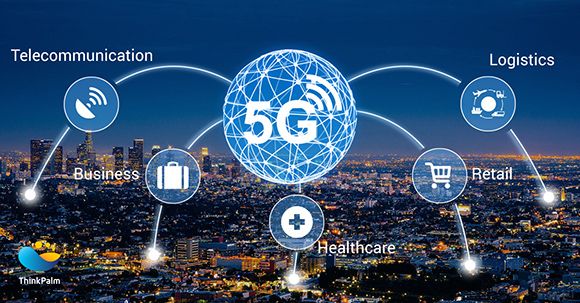
5G technology, the fifth generation of wireless communication, is poised to revolutionize connectivity and unlock new possibilities for hyperconnectivity and real-time communication. With its promise of faster speeds, lower latency, and greater bandwidth, 5G has the potential to transform industries, enable new use cases, and enhance the way we live, work, and interact with technology. One of the most significant benefits of 5G technology is its ability to deliver faster speeds and lower latency than previous generations of wireless communication. With speeds up to 100 times faster than 4G LTE and latency as low as one millisecond, 5G enables real-time communication and immersive experiences that were previously impossible. This ultra-fast and ultra-responsive connectivity opens up new possibilities for applications such as augmented reality (AR), virtual reality (VR), telemedicine, and autonomous vehicles, where split-second responsiveness is critical. Furthermore, 5G technology offers greater bandwidth and capacity, allowing for more devices to connect simultaneously without sacrificing performance. This increased capacity is particularly important in the era of the Internet of Things (IoT), where billions of interconnected devices, sensors, and machines require seamless and reliable connectivity to operate efficiently. With 5G, IoT devices can communicate more effectively, enabling smart cities, industrial automation, remote monitoring, and intelligent transportation systems that improve efficiency, safety, and sustainability. Another key advantage of 5G technology is its ability to enable network slicing, which allows operators to create multiple virtual networks on a single physical infrastructure. Network slicing enables customization and optimization of network resources for specific applications and use cases, such as ultra-reliable low-latency communication (URLLC) for mission-critical applications like autonomous vehicles and remote surgery, or enhanced mobile broadband (eMBB) for high-speed data services like streaming video and online gaming. Moreover, 5G technology has the potential to bridge the digital divide and bring high-speed internet access to underserved and rural areas around the world. With its ability to deliver high-speed connectivity over longer distances and in challenging environments, 5G can provide internet access to remote communities, schools, and healthcare facilities, empowering individuals and communities with access to information, education, and opportunity. Overall, 5G technology represents a significant leap forward in wireless communication, offering faster speeds, lower latency, greater bandwidth, and increased capacity that unlock new possibilities for hyperconnectivity and real-time communication. As businesses, governments, and consumers embrace 5G technology and its potential applications, the future of connectivity is brighter than ever before.

5G Technology: Unlocking the Potential of Hyperconnectivity and Real-Time Communication Read More »

Blockchain Technology: Beyond Cryptocurrency to Decentralized Innovation

Blockchain technology, often associated with cryptocurrencies like Bitcoin and Ethereum, is emerging as a transformative force for innovation and disruption across various industries. While its roots may lie in digital currencies, blockchain’s potential extends far beyond finance, offering decentralized solutions to a wide range of challenges in areas such as supply chain management, healthcare, identity verification, and beyond. At its core, blockchain is a distributed ledger technology that enables secure, transparent, and immutable record-keeping of transactions. Each block in the blockchain contains a timestamped record of transactions that are cryptographically linked to previous blocks, forming a chain of blocks that cannot be altered or tampered with. This decentralized and tamper-resistant nature of blockchain makes it ideal for applications where trust, transparency, and security are paramount. One of the most promising applications of blockchain technology is in supply chain management, where it enables end-to-end visibility and traceability of goods from the point of origin to the final destination. By recording every step of the supply chain on a blockchain, businesses can verify the authenticity and provenance of products, detect counterfeit goods, and ensure compliance with regulations and standards. Additionally, blockchain enables real-time tracking of shipments, reducing delays, errors, and disputes while enhancing efficiency and transparency. In healthcare, blockchain technology is revolutionizing patient data management, electronic health records (EHRs), and medical research. Blockchain-based EHR systems provide patients with greater control over their health data, allowing them to securely share access with healthcare providers and researchers while maintaining privacy and confidentiality. Moreover, blockchain enables the secure sharing and monetization of anonymized health data for medical research, accelerating the pace of discovery and innovation in healthcare. Another area where blockchain technology holds immense promise is in digital identity management, where it offers a decentralized and secure solution to the problem of identity theft and fraud. By storing identity information on a blockchain, individuals can control and manage their digital identities, granting and revoking access as needed while protecting their privacy and security. Blockchain-based digital identity systems eliminate the need for centralized authorities and intermediaries, empowering individuals to take ownership of their identities in the digital age. Furthermore, blockchain technology is disrupting the traditional art world with the rise of non-fungible tokens (NFTs), which are unique digital assets stored on a blockchain. NFTs enable artists to tokenize and monetize their digital creations, including artwork, music, videos, and more, providing a new avenue for creators to reach audiences, sell their work, and retain ownership rights. The decentralized nature of blockchain ensures authenticity, provenance, and scarcity, making NFTs highly sought after by collectors and investors alike. Overall, blockchain technology represents a paradigm shift in how we think about trust, ownership, and value exchange in the digital age. As businesses and organizations continue to explore its potential applications and possibilities, blockchain has the power to reshape industries, empower individuals, and drive meaningful change in the world.

Blockchain Technology: Beyond Cryptocurrency to Decentralized Innovation Read More »

Artificial Intelligence: Revolutionizing Industries and Reshaping the Future

Artificial Intelligence (AI) stands at the forefront of technological innovation, revolutionizing industries and reshaping the future in ways previously unimaginable. From machine learning algorithms that power predictive analytics to natural language processing systems capable of understanding and generating human-like text, AI is transforming every aspect of our lives. In healthcare, AI is driving groundbreaking advancements in diagnostics, treatment planning, and personalized medicine. Machine learning algorithms analyze vast amounts of medical data to identify patterns and trends, helping healthcare professionals make more accurate diagnoses and develop tailored treatment plans for patients. Additionally, AI-powered robotic surgery systems enable minimally invasive procedures with precision and efficiency, reducing recovery times and improving patient outcomes. In finance, AI is revolutionizing the way financial institutions operate, from algorithmic trading and fraud detection to customer service and risk management. Machine learning models analyze market data in real-time to identify profitable trading opportunities and optimize investment strategies. AI-powered chatbots and virtual assistants provide personalized assistance to customers, answering inquiries, and resolving issues with speed and accuracy. Furthermore, AI algorithms detect fraudulent activities and suspicious transactions, safeguarding financial institutions and their customers from cyber threats and financial crimes. In transportation, AI is driving the development of autonomous vehicles and smart transportation systems that promise safer, more efficient, and sustainable mobility solutions. Self-driving cars equipped with AI-powered sensors and algorithms navigate roads with precision, reducing accidents and traffic congestion while improving fuel efficiency and reducing emissions. AI-powered traffic management systems optimize traffic flow, reduce travel times, and minimize environmental impact by coordinating the movement of vehicles and reducing idling. In manufacturing, AI is revolutionizing production processes, supply chain management, and quality control. AI-powered predictive maintenance systems analyze equipment performance data to anticipate and prevent breakdowns, reducing downtime and maintenance costs. Machine learning algorithms optimize production schedules and inventory management, ensuring optimal use of resources and minimizing waste. AI-powered quality control systems inspect products with unmatched accuracy, detecting defects and deviations from specifications before they reach the hands of consumers. Overall, AI is not just a technology; it’s a catalyst for transformation across industries, driving innovation, efficiency, and progress. As businesses and organizations continue to harness the power of AI, the possibilities for advancement and discovery are limitless, shaping a future where intelligence knows no bounds.

Artificial Intelligence: Revolutionizing Industries and Reshaping the Future Read More »

Website Security: Safeguarding Against Cyber Threats

In an age of increasing cyber threats, ensuring the security of your website is paramount for protecting sensitive data and maintaining customer trust. In this comprehensive blog, we explore advanced techniques for safeguarding your website against cyber threats and vulnerabilities. One advanced technique is to implement SSL encryption (HTTPS) on your website to secure data transmission between your web server and users’ browsers. By encrypting data with SSL certificates, you can protect sensitive information such as login credentials, payment details, and personal information from interception and unauthorized access. Regular security audits and vulnerability assessments are another advanced technique for identifying and addressing potential security risks on your website. By conducting regular audits of your website’s code, plugins, and configurations, you can identify and remediate vulnerabilities before they can be exploited by cyber attackers. Furthermore, implementing a Web Application Firewall (WAF) can provide an additional layer of defense against common web-based attacks such as SQL injection, cross-site scripting (XSS), and distributed denial-of-service (DDoS) attacks. By filtering and monitoring incoming web traffic, a WAF can detect and block malicious requests before they reach your web server, helping to protect your website from cyber threats and attacks. Educating users about safe browsing practices and implementing security features such as two-factor authentication (2FA) can also help improve your website’s security posture. By encouraging users to use strong, unique passwords and enabling additional authentication methods such as SMS codes or biometric verification, you can add an extra layer of protection to your website’s login process and prevent unauthorized access. Additionally, keeping your website’s software and plugins up-to-date with the latest security patches and updates is essential for protecting against known vulnerabilities and exploits. By regularly updating your website’s CMS (Content Management System) and third-party plugins, you can patch security vulnerabilities and reduce the risk of exploitation by cyber attackers. By implementing these advanced website security techniques, you can safeguard your website against cyber threats and vulnerabilities, protecting sensitive data and maintaining the trust of your customers.

Website Security: Safeguarding Against Cyber Threats Read More »

Local SEO Strategies for Brick-and-Mortar Businesses: Dominating the Local SERPs

Local SEO is essential for brick-and-mortar businesses looking to attract customers in their geographical area. In this comprehensive blog, we explore advanced strategies for optimizing your website for local search and dominating the local SERPs. One advanced strategy is to optimize your Google My Business (GMB) listing to ensure that your business appears prominently in local search results. By claiming and optimizing your GMB listing with accurate business information, photos, and reviews, you can increase your visibility and attract more customers in your local area. Additionally, earning local citations from authoritative online directories and websites can help improve your website’s visibility in local search results. By ensuring that your business information is consistent and up-to-date across all online platforms, you can enhance your credibility and trustworthiness in the eyes of both consumers and search engines. Leveraging online reviews and customer testimonials is another advanced strategy for improving your website’s local SEO. Encouraging satisfied customers to leave positive reviews on platforms like Google, Yelp, and Facebook can help boost your reputation and increase your visibility in local search results. Furthermore, optimizing your website’s content and metadata with local keywords and location-based terms can help improve its relevance and visibility in local search results. By including location-specific keywords in your website’s title tags, meta descriptions, and on-page content, you can signal to search engines that your business is relevant to local search queries. Implementing a strategic link building strategy that focuses on acquiring local backlinks from relevant websites can also help improve your website’s local SEO. By earning backlinks from local businesses, organizations, and community websites, you can increase your website’s authority and relevance in local search results. By implementing these advanced local SEO strategies, you can dominate the local SERPs and attract more customers to your brick-and-mortar business.

Local SEO Strategies for Brick-and-Mortar Businesses: Dominating the Local SERPs Read More »

Technical SEO Demystified: Optimizing Your Website for Search Engine Crawlers

Technical SEO encompasses a wide range of optimizations that focus on improving the technical aspects of your website to enhance its visibility and performance in search engine results. While many aspects of technical SEO can seem complex, understanding and implementing advanced techniques can have a significant impact on your website’s search engine rankings. One advanced technique is optimizing your website’s robots.txt file to instruct search engine crawlers on which pages to crawl and which to ignore. By properly configuring your robots.txt file, you can ensure that search engines focus their crawling efforts on your most important pages, which can improve crawl efficiency and indexation. Additionally, optimizing your XML sitemap can help search engines discover and index your website’s pages more efficiently. By regularly updating your XML sitemap with new pages and removing outdated or irrelevant ones, you can ensure that search engines have access to the most up-to-date information about your website’s content. Structured data markup, also known as schema markup, is another advanced technique that can enhance your website’s visibility in search results. By adding schema markup to your website’s HTML code, you can provide search engines with additional context about your content, such as product details, reviews, or event information, which can lead to rich snippets and enhanced search results listings. Improving your website’s site architecture is another important aspect of technical SEO. By organizing your website’s pages into a logical hierarchy and optimizing internal linking structures, you can improve crawlability and user experience, which are important factors in search engine rankings. Furthermore, optimizing your website’s loading speed is essential for both user experience and search engine rankings. By minimizing server response times, leveraging browser caching, and compressing images and other assets, you can improve your website’s loading speed and reduce bounce rates, ultimately leading to higher search engine rankings. By implementing these advanced techniques and best practices, you can optimize your website for search engine crawlers and improve its visibility, performance, and relevance in search engine results.

Technical SEO Demystified: Optimizing Your Website for Search Engine Crawlers Read More »

The Power of Backlinks: Building a Strong Link Profile for SEO Success

Backlinks, also known as inbound links, remain one of the most influential factors in search engine algorithms, as they serve as “votes of confidence” from other websites. However, not all backlinks are created equal, and building a strong link profile requires strategic planning and execution. One advanced strategy for acquiring high-quality backlinks is through guest blogging on authoritative websites within your industry. By contributing valuable content to relevant websites, you can earn backlinks to your own site while also establishing yourself as an authority in your field. Another advanced backlink building technique is influencer outreach, where you collaborate with influencers or thought leaders in your industry to create and promote content that includes links back to your website. Influencers often have large, engaged audiences, and their endorsement can lend credibility to your brand while also driving traffic and boosting your website’s authority. Additionally, broken link building is an effective strategy for acquiring backlinks from authoritative websites. By identifying broken links on other websites and offering to replace them with relevant content from your own site, you can provide value to website owners while also gaining valuable backlinks. Competitor analysis is another advanced backlink building technique that involves analyzing the backlink profiles of your competitors to identify potential link opportunities. By identifying websites that link to your competitors but not to your own site, you can reach out to those websites and pitch them on why they should link to your content instead. By implementing these advanced backlink building techniques, you can build a strong and diverse link profile that boosts your website’s authority, credibility, and visibility in search engine results.

The Power of Backlinks: Building a Strong Link Profile for SEO Success Read More »